 EN
EN  SE
SE 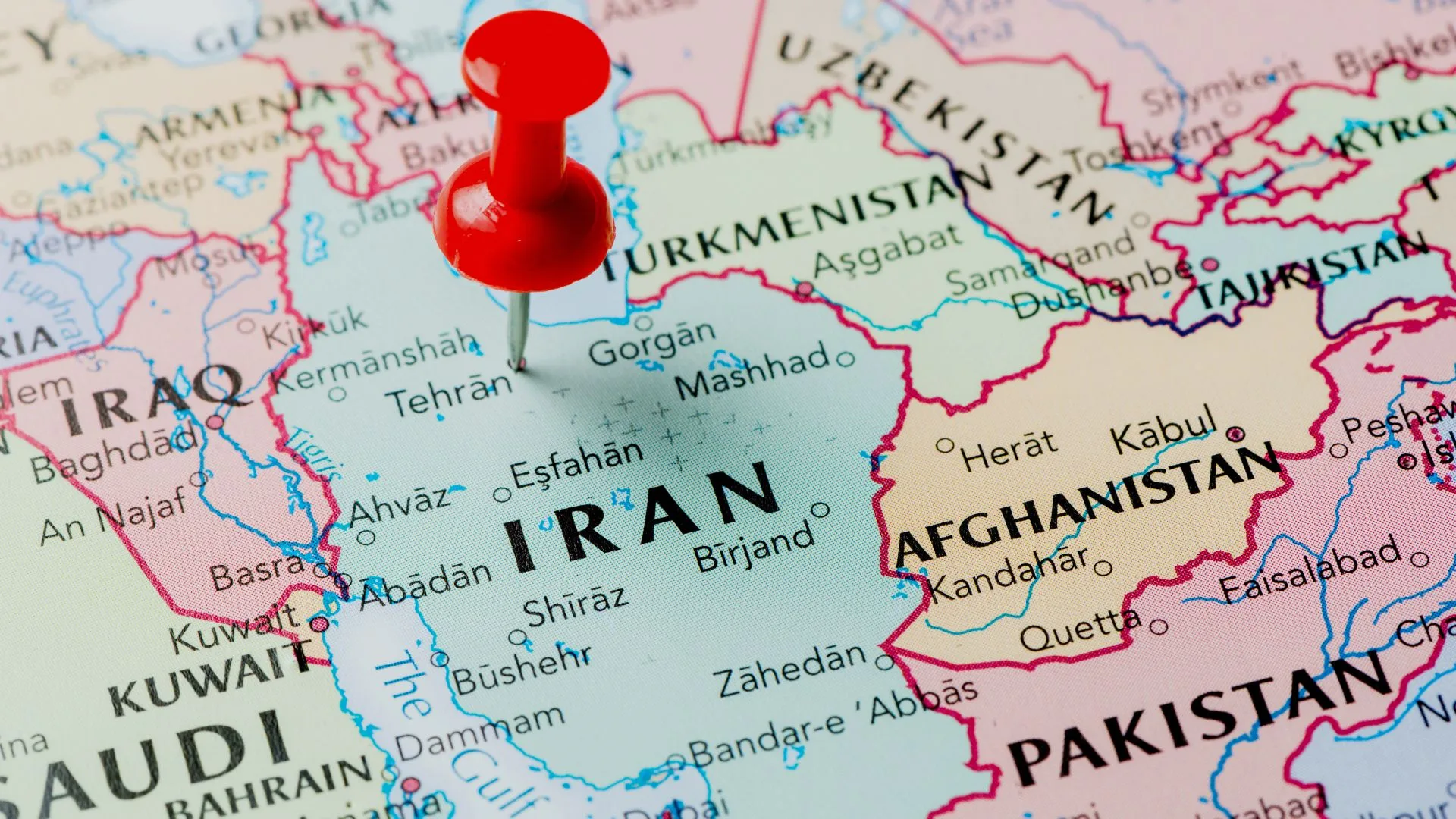
The latest escalation represents a significant shift in the geopolitical risk environment. Coordinated attacks targeting high-level Iranian leadership mark one of the most direct confrontations between Western powers and Tehran in decades. While the long-term political consequences are uncertain, financial markets have reacted quickly to the increased likelihood of sustained regional instability.
Immediate market reaction
Defense stocks led global markets higher on Monday. RTX rose more than 4 percent, Northrop Grumman rose about 6 percent and Kratos advanced more than 5 percent. The movement was also mirrored among European defense companies, reflecting investor expectations that increased tensions could lead to prolonged or increased military spending. However, sentiment weakened significantly on Tuesday. Global stock markets are trading clearly down on the heels of the continued escalation and reports of disruptions to traffic through the Strait of Hormuz. The defense sector is also developing negatively, but the decline is more limited compared to broad indices, indicating that the sector is still considered relatively defensive in the current risk climate.
Markets are now starting to price in a higher structural geopolitical risk premium. A broader regional conflict remains a tail risk scenario, but one that investors can no longer dismiss.
Structural context
Iran has positioned itself for decades in strategic opposition to Western interests through its regional proxy networks, its missile development program, and a confrontational stance toward the military presence of the United States and its allies. Cooperation with Russia, including reported transfers of drone technology, and deepening economic ties with China have further integrated Tehran into a broader geopolitical alliance that challenges Western influence.
A significant weakening of the Iranian regime, although highly complex and far from certain, would have consequences beyond the Middle East. Iran has provided Russia with military support of operational significance. A destabilized or domestically preoccupied Tehran could limit this cooperation. At the same time, internal fragmentation within Iran could increase short-term regional volatility and asymmetric risks.
Iran's political outlook
The removal of senior leaders, even at the highest level, does not in itself determine the fate of the regime. For real regime change to occur, internal dynamics are crucial. Sustained popular protests, divisions within the security apparatus, or a severe economic downturn would likely be required. External pressure alone is rarely sufficient to dismantle deeply entrenched authoritarian systems.
At the same time, the psychological impact of recent events should not be underestimated. Perceived vulnerability at the top could weaken internal cohesion and change the elite's calculations, especially if personal survival becomes a primary concern.
Although uncertainty remains high, the likelihood of structural change appears greater than in recent years. The crucial question is whether there is a credible and organized alternative with domestic legitimacy. Reza Pahlavi, the son of the former Shah, has emerged as a visible opposition figure advocating a transitional framework and democratic elections.
For the markets, Iran's development could range from a regime regaining control and a period of prolonged instability, to internal fragmentation and regime change. The status quo in Iran is no longer the base case.
Energy markets and capital markets
The most immediate macroeconomic transmission channel is energy. Iran’s geographic location near the Strait of Hormuz places the country adjacent to one of the world’s most critical energy transport routes. Even without formal disruptions, elevated threat levels drive up oil prices as markets price in preemptive supply risk scenarios.
Higher energy prices pose a renewed upside risk to inflation expectations. For central banks navigating fragile disinflationary trends, this complicates the policy outlook and could delay monetary easing in some economies. Energy volatility also increases uncertainty about input costs for energy-intensive industries.
Historically, acute geopolitical stress has followed a familiar pattern. Stock markets typically exhibit higher volatility. However, defense stocks often tend to diverge from broader risk assets during sustained geopolitical episodes. When instability becomes structural rather than episodic, defense spending tends to be integrated into multi-year budget frameworks rather than treated as cyclical expenditures.
Russia and China
Over the past two years, relations between Tehran and Moscow have deepened significantly. Iran has reportedly supplied drones and related technology to Russia, which have been operationally important in the war in Ukraine, strengthening military coordination between the countries. In parallel, economic ties have strengthened as both nations face Western sanctions. Bilateral trade has increased, cooperation in energy and banking has intensified, and discussions on alternative payment systems and transport corridors, including the International North-South Transport Corridor, have accelerated. Although the partnership is pragmatic rather than a formal alliance, it reflects a shared interest in reducing dependence on Western financial infrastructure and countering Western influence.
Russia now faces a strategic balancing act. Higher oil prices boost Russian state revenues in the short term. However, a weakened Iranian partner could reduce Moscow's geopolitical leverage in the Middle East and limit some forms of military cooperation.
China prioritizes stability above all else. As a major energy importer with investments in Iranian infrastructure through the Belt and Road Initiative, Beijing has a strong interest in avoiding long-term disruptions. A destabilized Iran poses supply risk scenarios and investment uncertainty, while a geopolitical shift toward the West could reduce Chinese influence in the region.
Both Russia and China are therefore likely to publicly advocate de-escalation while reassessing their strategic positions behind the scenes.
Conclusion
The current escalation marks a structural breaking point rather than a temporary news event. Regardless of how Iran's internal political developments progress, geopolitical risk in the global system has increased.
For financial markets, this represents an important shift. Geopolitical risk premia are becoming more persistent rather than episodic. Energy volatility is expected to remain elevated, amplifying inflation sensitivity and broader macroeconomic uncertainty. Recent market movements in defense stocks reflect this reassessment.
Disclaimer
Historical performance is not a guarantee of future results. Investments in securities or funds can both increase and decrease in value, and it is not certain that you will get back the capital invested. Returns may also be affected by currency exchange rate fluctuations.

Joakim Agerback, Portfolio Manager

Shayan Heidari, Portfolio Manager